What We Believe

We Believe Therapy Is Collaborative
Healing doesn't happen because someone is given a script or playbook outlining what to do.
Healing happens within relationships built on trust, safety, and genuine collaboration.
Our role is not to "fix" people, problems, or relationships. Our role is to help individuals better understand themselves, develop practical skills, navigate life's challenges, and move toward the life they want to build.
Every therapeutic relationship is unique because every person's story is unique.
We Believe People Are More Than One Part of Their Lives
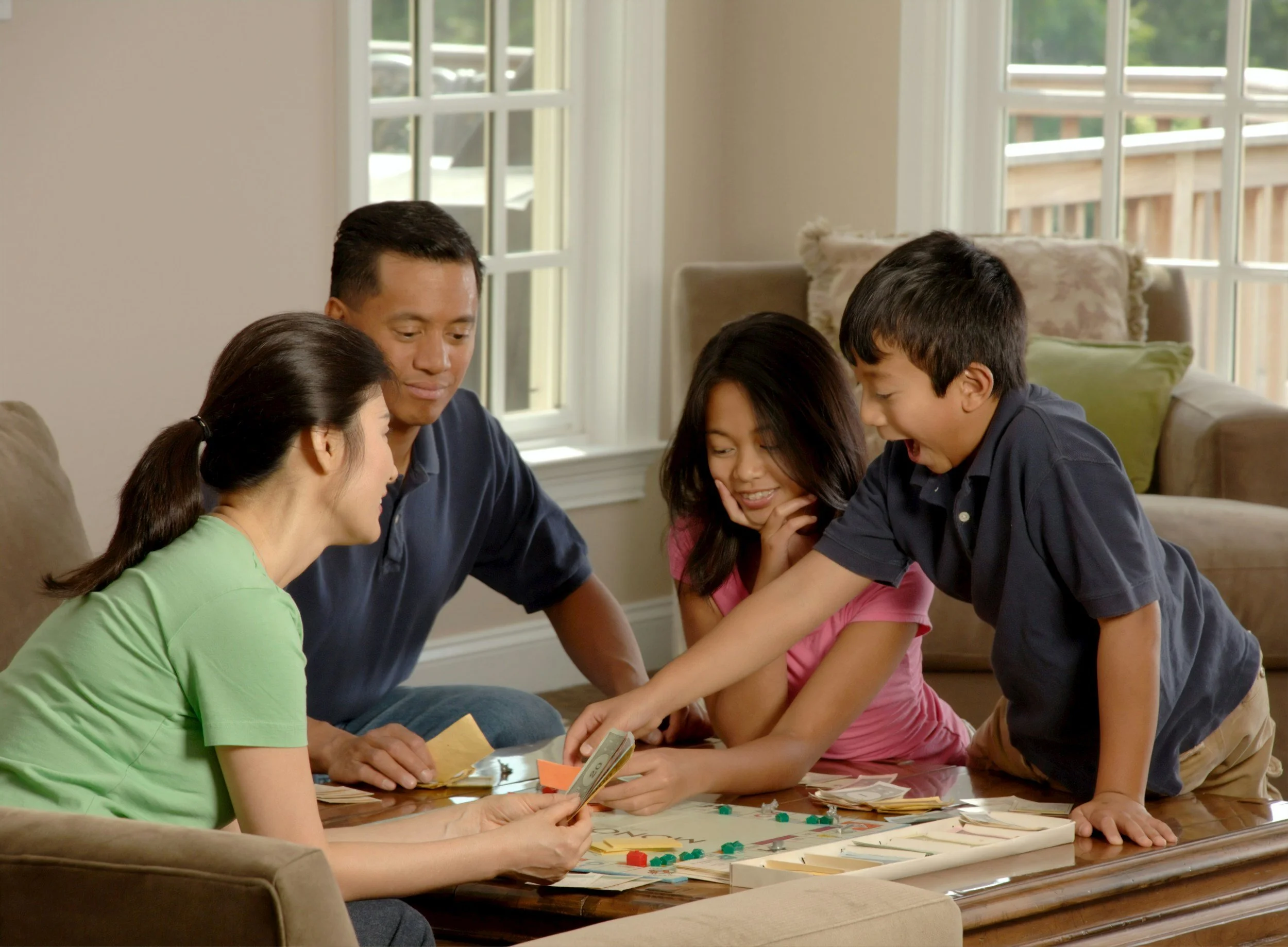
Mental health does not exist in isolation. Children grow within families and schools. Adolescents navigate friendships, identity, and increasing independence. Adults balance relationships, careers, parenthood, health, and countless other responsibilities.
Because these systems are interconnected, we believe care should be, too. Whenever appropriate, we collaborate with parents, physicians, educators, and other professionals to create a more complete understanding and more meaningful support.
We Believe Strengths Matter
Challenges deserve thoughtful attention. Strengths deserve a seat at the table, too.
Whether someone is exceptionally gifted, creatively talented, deeply empathetic, resilient, or quietly persistent, these strengths become important parts of the therapeutic process. We believe growth happens most naturally when people are encouraged to build upon what is already working—not only to address what is difficult.
We Believe Evidence and Empathy Belong Together
Research matters. Clinical expertise matters. Human connection matters.
The most effective care brings all three together.
Our work is grounded in evidence-based practice while recognizing that no research study can replace careful listening, thoughtful clinical judgment, or genuine compassion. Science informs our work. Relationships give it meaning.
We Believe Understanding Creates Possibility
When people understand themselves, they often begin to replace self-criticism with self-compassion. When families understand one another, conflict can become connection. When schools understand how a student learns, they can better support success. When clinicians understand the whole person, treatment becomes more effective.
Understanding changes the conversation. And changing the conversation often changes what feels possible.
This is the philosophy that guides every conversation, every evaluation, every therapy session, and every recommendation we make at River House.
Because understanding doesn't end with insight. It opens the door to meaningful change.
At River House Psychology, our work is guided by a simple belief: Understanding is the foundation of meaningful change.
Whether someone is seeking therapy, a psychological evaluation, or guidance through a difficult season, our first responsibility is not to offer quick answers—it is to understand.
We believe every person deserves to be seen as more than a diagnosis, a test score, or a list of symptoms. Each individual is shaped by their relationships, experiences, strengths, challenges, culture, and environment. When we take the time to understand the whole person, the path forward becomes clearer.
We Believe Curiosity Comes Before Conclusions
Real understanding begins with curiosity.
Rather than asking, "What's wrong?" we ask, "What happened?""What matters?" and "What strengths can we build upon?"
Whether we are working with a young child, a teenager, or an adult, we approach each person with openness rather than assumptions. We believe thoughtful questions often reveal more than quick answers.
We Believe Assessment Should Create Clarity
A psychological evaluation should do more than provide a diagnosis.
It should answer questions, explain patterns, and highlight strengths alongside challenges.
Most importantly, it should help individuals, families, schools, and other professionals make informed decisions with confidence, providing a roadmap for how to move forward.
Our goal is not simply to describe what we see, but to provide meaningful insight that leads to practical next steps.
Let’s Take the Next Step Together.